

Amid renewed calls for local government autonomy in Nigeria, former Lagos State governor and ex-Minister of Power, Works, and Housing, Babatunde Fashola, has said it is unrealistic to expect such independence under the current constitutional framework.
Speaking on Channels Television’s Sunrise programme on Saturday, Fashola emphasized that local councils were never designed to function autonomously, given the level of control state governments and their legislative assemblies exert over them.
“The debate we must have is whether we really want autonomous local governments,” Fashola said. “As it stands today, it is unrealistic to expect autonomy for local governments created by the Constitution.”
He argued that the Constitution empowers state Houses of Assembly to legislate for local governments, which contradicts the very definition of autonomy — acting independently without external control. This arrangement, he said, inherently undermines the concept of local government self-governance.
Citing the Fourth Schedule of the Constitution, Fashola noted that many of the functions assigned to local governments — such as managing primary schools, cemeteries, abattoirs, and health centres — rely heavily on land, which is controlled by state governments.
“To the extent that the state government controls land, which affects how the local governments will carry out these functions, I didn’t think that autonomy was intended,” he said.
Fashola concluded by stressing the need for national consensus if true local government autonomy is to be achieved. Without constitutional amendments to remove state-level oversight and control, he argued, local governments will continue to function under state supervision, not as independent entities.

Also Read: Why States Supervise Local Governments, Questions Sustainability of LG Autonomy Ruling…Fashola
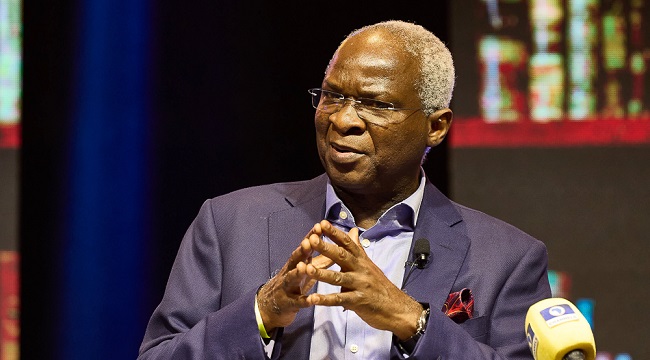
Former Lagos State Governor and Senior Advocate of Nigeria, Babatunde Fashola, has traced the origin of state supervision over local governments to the financial mismanagement and salary defaults by councils during the early days of Nigeria’s Fourth Republic.
Speaking in an interview, Fashola explained that the joint state-local government account system was introduced as a corrective measure after many local councils failed to meet basic obligations like paying salaries of primary healthcare workers and school teachers following the return of democracy in 1999.
“There’s a history behind that section of the Constitution,” he said. “Until 1999, local governments received their allocations directly from the Federation Account through a process called JAAC — the Joint Account and Allocation Committee. But when democracy returned, many local governments defaulted in paying salaries and pensions, and there was a significant debt backlog.”

Fashola said he inherited some of that debt as governor, which highlighted the need for oversight. “That is partly why the state joint local government account was created — to ensure supervision. Now, whether the supervisors themselves have become part of the problem is a separate issue,” he added.
On the Supreme Court’s July 2024 ruling that barred governors from dissolving democratically elected local councils and granted them financial autonomy, Fashola acknowledged its significance but also noted legal debates around its constitutional validity.
“No patriot would argue that the current state of local governments is ideal,” he said. “But among lawyers, there are differing views on whether the Supreme Court judgment can withstand constitutional scrutiny.”
Fashola concluded that holding credible local government elections is still a critical step in the journey toward true autonomy, despite ongoing legal and structural challenges.
Trending Posts
- Lord You are so Great by Ogechi World Worship & Josh Praise (Launch to Download MP3)
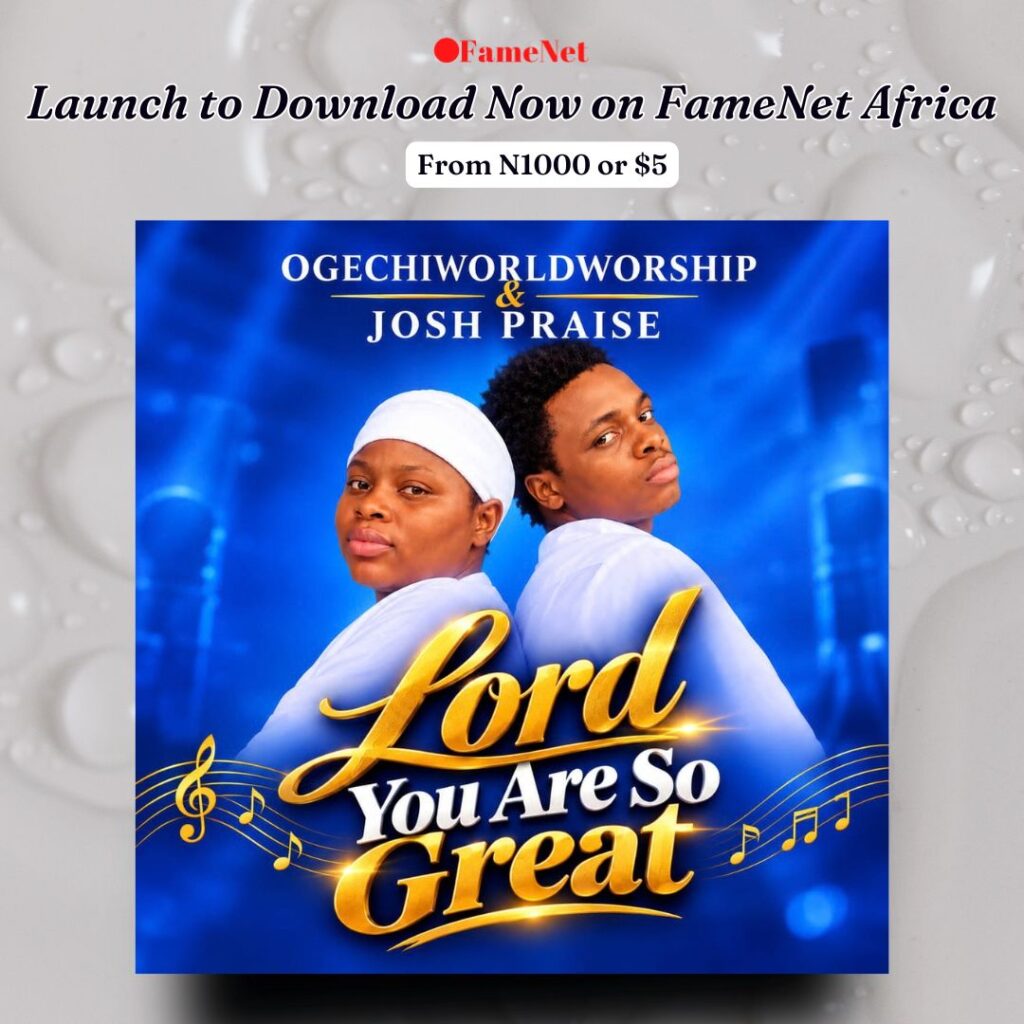 Share this postGospel worship ministers Ogechi World Worship & Josh Praise present “Lord You Are So Great,” a heartfelt worship song that celebrates the greatness, faithfulness, and majesty of God. The song invites listeners into an atmosphere of praise, gratitude, and sincere worship, encouraging… Read more: Lord You are so Great by Ogechi World Worship & Josh Praise (Launch to Download MP3)
 - Grace by Min. Comfort the Pillar (Launch to Download Mp3)
 Share this postGospel minister Min. Comfort the Pillar brings a powerful message of faith, gratitude, and hope with her inspiring song “Grace.” The song celebrates God’s unmerited favour, mercy, and sustaining love, reminding listeners that His grace remains sufficient through every season of life.… Read more: Grace by Min. Comfort the Pillar (Launch to Download Mp3)
 - Frankon O’Clock (5 Tracks EP) – Launch to Download MP3
 Share this postFrankon is set to take listeners on a memorable musical journey with his new 5-track EP, “Frankon O’Clock.” The project showcases different sides of Frankon’s artistry, combining heartfelt expressions, inspirational moments, and captivating sounds into one exciting body of work. The EP… Read more: Frankon O’Clock (5 Tracks EP) – Launch to Download MP3
 - My King by Paul C. J (Launch to Download Mp3)
 Share this postGospel music minister Paul C. J presents “My King,” an inspiring song that celebrates God’s greatness, faithfulness, and everlasting love. With a heartfelt message of worship and devotion, the song invites listeners to reflect on their relationship with God and give Him… Read more: My King by Paul C. J (Launch to Download Mp3)

