GEM Voice Media
LAGOS, NIGERIA — In a time when ethnic tensions often dominate headlines and social media discussions, the Global Ethnics Movement (GEM) is shifting the conversation toward collaboration and shared prosperity. The organization continues its national unity sensitization campaign with a compelling message: “Why fight along tribal lines when we can build wealth and peace together?”
This message was brought to life recently through the real-world example of two ordinary Nigerians — Mallam Abdul Abubakar, a food trader from the North, and Mr. Ekene Odenigbo, a distributor from the East — who found common ground in commerce, not conflict.
According to GEM’s latest campaign narrative, Mallam Abdul Abubakar was seen smiling as he sealed a major deal with Mr. Ekene Odenigbo, who is also happy after receiving a great discount on buying and shipping several bags of food items from the North to the East. What could have been a missed opportunity due to ethnic bias became a fruitful business relationship — one that exemplifies the very essence of national unity that GEM is promoting.
“This is exactly what we mean when we say national unity is possible,” said GEM Media Aide. “Abubakar and Odenigbo are from two different ethnic regions, but they chose partnership over prejudice. They both won — and so did their communities.”
GEM’s campaign aims to tackle long-standing stereotypes and prejudices by telling stories of cooperation among Nigeria’s diverse ethnic groups. The goal is simple but powerful: replace suspicion with solidarity and transform tribal fault lines into bridges of opportunity.
In marketplaces, bus parks, and social media platforms across the country, GEM is spreading a consistent message: Ethnic diversity should not divide us — it should enrich us.
“Tribalism is like a wall we built ourselves,” GEM’s Media Aide said. “But the truth is, we have everything to gain when we bring it down — economically, culturally, and socially.”

Abubakar and Odenigbo’s partnership is more than symbolic — it is economically significant. Nigeria’s ethnic diversity spans resources, skills, and markets that can complement one another. The North, rich in agricultural produce, and the East, known for strong trading networks, make ideal partners when tribal biases are set aside.
“If every Igbo trader partnered with a Hausa farmer, or a Yoruba manufacturer worked with a Tiv logistics provider, we could build local industries without waiting for foreign aid,” a GEM Media Aide noted.
By highlighting real-life partnerships like Abubakar and Odenigbo’s, GEM is encouraging citizens to reimagine what Nigeria can look like when tribalism gives way to teamwork.
GEM’s national unity sensitization campaign is not just a slogan — it’s a nationwide effort. From social media sensitization, community town halls, youth forums, to radio jingles and outreach programs, the organization is pushing for a mindset shift. The campaign encourages Nigerians to look beyond tribal identities and see each other first as fellow citizens with shared goals.
As the campaign slogan goes: “Together, we thrive.”
In a divided world, GEM’s message stands out like a beacon: unity is not just a dream — it’s a decision. And if Mallam Abubakar and Odenigbo can choose partnership over prejudice, perhaps so can the rest of us.
ALSO READ
- Born as You Can Train (4 tracks Album) by Rasking Benco (Launch to Download Mp3)

- Our Right by M.Tenderwealth (Launch to Download Mp3)

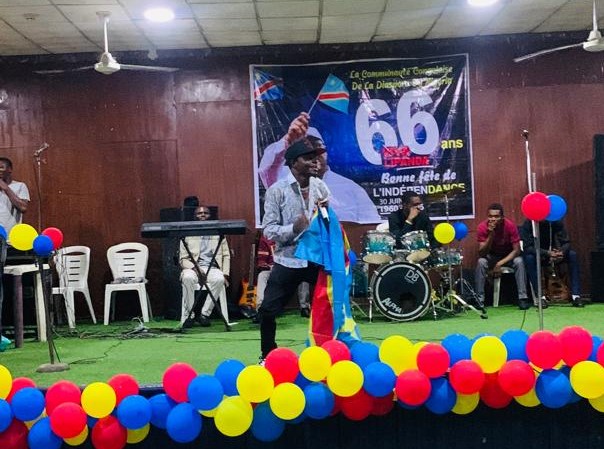
- Global News: Ismak Bleuciel Performs at Congo’s 66th Independence Day Celebration in Lagos, Showcasing Congolese Culture Through Music
- Global News: All Indie International Artist Radio Awards (AIIARA)
- Ebube by Promise Nwachukwu (Launch to Download Mp3)