Nigerian Afrocentric artist and cultural advocate, Frank Harrison Uke, popularly known by his stage name AmEE, has called for increased structural and practical support for the creative industry, emphasizing its potential as a powerful engine for economic growth, national unity, and global cultural influence.
In a recent chat with GEM Voice, AmEE—who is also a multi-instrumentalist, music consultant, performer, and event/project manager—shared insights into his journey, passion, and vision for the Nigerian entertainment landscape. As the leader of The Creative-Minds Band and a proud member of the Global Ethnics Movement (GEM), AmEE is deeply committed to using music as a tool for cultural expression and positive societal transformation.
Born and raised in Lagos but originally from Delta State in Nigeria’s South-South region, AmEE emphasized the importance of peaceful coexistence and collaboration among Nigeria’s diverse ethnic groups. “Having grown up in a multicultural environment, I understand firsthand how much unity and creativity can flourish when we rise above our differences,” he said. “Afrobeats and other Nigerian sounds are already making waves globally—imagine what we can achieve when we unite intentionally to harness our talents.”
AmEE highlighted the immense economic potential of the creative industry, stating that well-developed talents can shift the nation from a job-seeking to a job-creating society. “Talent development is not just about entertainment. It boosts the economy. Many artists now earn in dollars through streaming and international performances—income that flows back into the country and adds to the GDP,” he explained.
However, he pointed out that while the government has introduced some creative sector initiatives through various ministries, the efforts often lack reach, consistency, and sustainability. “The intentions are good, but implementation falls short,” AmEE noted. “Young creatives still struggle with access to funding, mentorship, exposure, and infrastructure. We need more intentional and inclusive strategies.”
He urged the government to adopt policies that support talent incubation, establish regional creative hubs, incorporate creative education into the curriculum, and encourage public-private partnerships. “It takes a collective effort to raise a star,” he emphasized. “Supporting talent means investing in our national identity and future.”

AmEE also applauded the Global Ethnics Movement (GEM) for its efforts to promote unity and cultural dialogue. In particular, he commended the launch of GEM Voice, a new initiative aimed at amplifying diverse voices and fostering constructive national conversations.
“With the vision that GEM embodies, it’s clear that promoting unity and harmony among Nigerians across the world is its core objective,” he stated. “People need to talk. Views need to be heard. GEM Voice is an articulate channel for those conversations. It’s a timely and necessary initiative.”
He concluded with a call to action, urging individuals, corporate bodies, and the public to support the movement’s mission. “Let us support GEM and its drive for a more formidable country—and a better world,” he said.

ALSO READ
- Born as You Can Train (4 tracks Album) by Rasking Benco (Launch to Download Mp3)

- Our Right by M.Tenderwealth (Launch to Download Mp3)

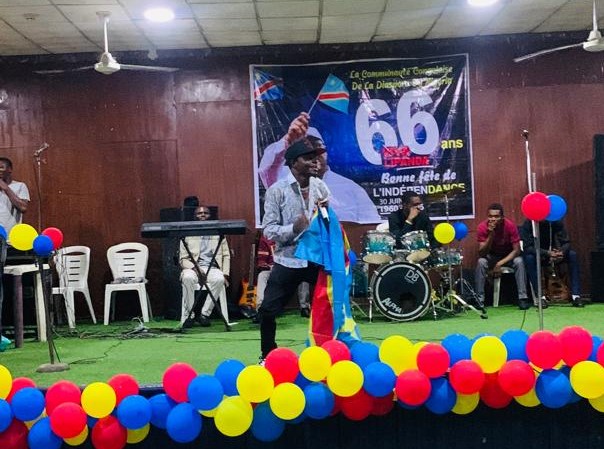
- Global News: Ismak Bleuciel Performs at Congo’s 66th Independence Day Celebration in Lagos, Showcasing Congolese Culture Through Music
- Global News: All Indie International Artist Radio Awards (AIIARA)

- Ebube by Promise Nwachukwu (Launch to Download Mp3)